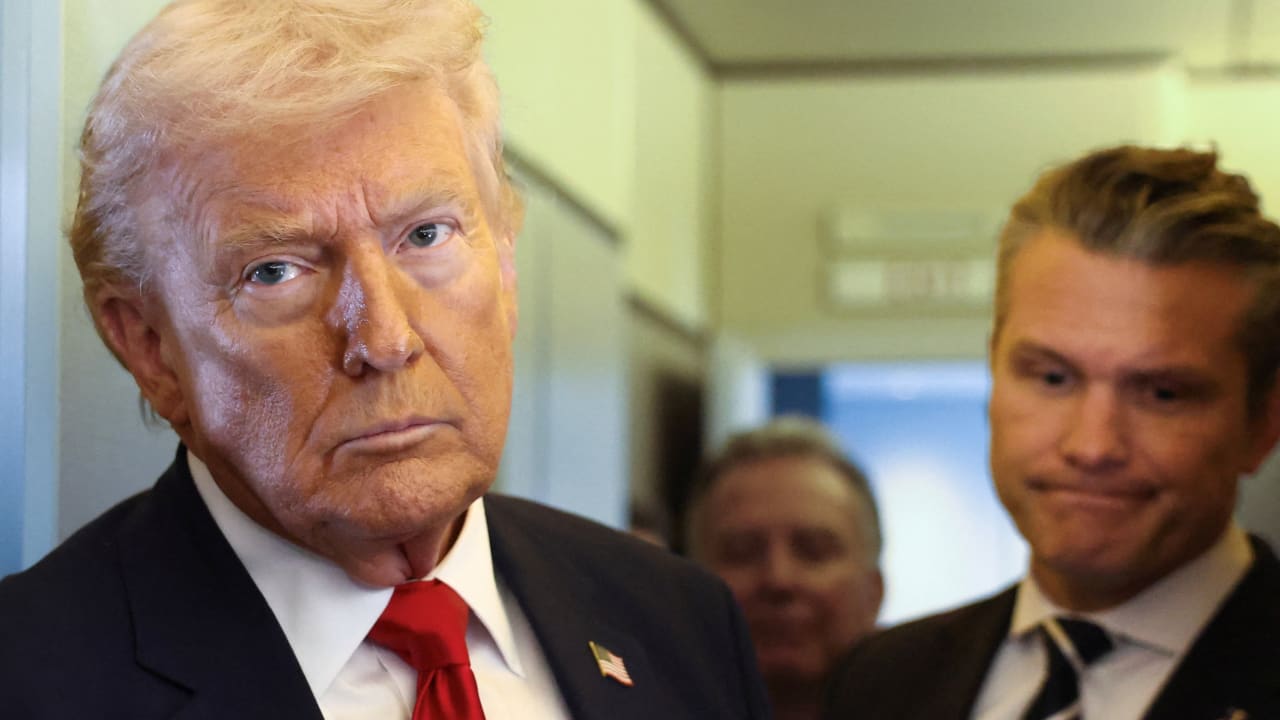
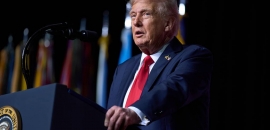
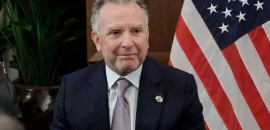
Trump noted that the Kurdish fighters were willing to fight in Iran. “They’re willing to go in, but I’ve told them I don’t want them to go in... The war is complicated enough as it is… We don’t want to see the Kurds get hurt or killed.”
The American president spoke aboard Air Force One. He had recently stood on a tarmac with the bodies of six Americans returned from the Middle East when they were transferred to US soil.
It is possible that the sight of the bodies of Americans coming home has made the US president rethink where the war is going.
The Kurdish Iranian groups were thrust into the spotlight after February 28, when the US and Israel began strikes on Iran.
Kurdish groups targeted over inaccurate reports
Initially, reports had indicated that these groups were preparing to fight the Iranian regime. Within two days, reports said that the Kurdish groups were being armed by the US. It was not clear how this was possible in such a short period. Rumors about the Kurds kept growing over the following days. A false report was pushed by several major media outlets that suggested the groups had launched an offensive into Iran.
Iran has taken these reports seriously and has kept up drone strikes targeting the Kurdish groups in the Kurdistan Region of northern Iraq. The situation here is complex. There are seven Kurdish Iranian groups in Iran. Six of them have come together as a coalition against the Iranian regime.
One group, a Communist branch of the Komala party, has rejected the coalition.
The major Kurdish groups include the Kurdistan Free Life Party, the Kurdistan Freedom Party, the Democratic Party of Iranian Kurdistan, two branches of the Komala Party, and the Khabat group.
The spotlight on the Kurds has led to pushback.
Some Iranians call the Kurds “separatists.” Others argue that the Kurds could end up as cannon fodder or that it would be hard for them to take control of the Kurdish region in western Iran.
The Kurdish region in Iran is relatively small, despite the country's eight million Kurds.
It is possible that if the Kurds were to start an uprising, it would trigger a domino effect across the rest of Iran.
Other groups in Iran don’t appear to be well-armed. There also appears to be controversy between the Kurdish groups and those backing other Iranian opposition groups, such as those backing the former shah’s son, Reza Pahlavi, the crown prince.
This controversy could divide the opposition groups. Without the spotlight on the Kurds, it’s possible that the spotlight could now move to other Iranian groups.
There are many minorities in Iran, namely the Azeris, Baloch, and Arabs. The Persian opposition in Iran generally argues that the minorities are “separatists,” which creates challenges for the US in deciding whom to back.
The Trump administration seems to be keeping most of the groups at arm’s length. However, the administration has a long experience working with Kurds. It worked with them in Syria and Iraq.
Some Kurds feel that the US walked away from them in 2017 when the Iraqi army attacked them in Iraq, as well as when the Syrian government attacked them in January 2026 in Aleppo.
As Trump changes tack, it appears that cool heads are prevailing. The Kurdish groups are waiting to see what happens. They have trained for years, but they are also cautious.